

Spinach and Ricotta Ravioli made with fresh pasta sheets and smothered in a nutty brown butter and sage sauce, a delicious dinner recipe bursting with Italian flavours. The recipe might look complicated, but it's in fact incredibly easy to make with just a few simple ingredients. Serve them for dinner date or a fancy meal for your family, and everybody will love them!

After the success of my pasta dough recipe and my tomato and basil pasta which were both made from scratch using a pasta machine, I had to give ravioli a try too. Sure, supermarkets offer plenty of choice when it comes to ready-made ravioli, but the homemade one are far superior in taste and quality.
It might look complicated and time consuming, but if you do have some spare time, making your own ravioli is both satisfying and a real treat for your taste buds. Fresh pasta sheeds made with only 2 ingredients, a delicious spinach, ricotta and parmesan filling and a rich and buttery sage sauce made the dream dish!
My homemade ravioli are elegant and fancy enough to be enjoyed for special occasions as they not only taste incredible, but you can tell that a lot of love and effort has been put into them.
Ricotta and spinach work together so well, I used this combo for my ricotta and spinach pinwheels too, and it's always a hit with us. It might be simple, but it's full of fresh flavours and a guaranteed success.
Jump to:
Note!
Go to the recipe card at the bottom of the post for exact quantities and detailed instructions!
Ingredients overview
The ravioli sheets

- flour - in Italy the traditionally used flour is 00 flour, however I can't find any where I live, so I used plain flour and it works just fine
- eggs - I used 2 medium-sized eggs at room temperature
The filling

- spinach - I used frozen spinach for convenience, but if you want to use fresh spinach, I would go for 200-250 g
- ricotta - well drained
- parmesan - finely grated, I find that grating your own parmesan has much better flavour and texture than the ready-grated parmesan shops offer
- salt & pepper - to taste
The sauce

- butter - I used salted butter which gives the sauce a more balanced flavour, so there is no need to add salt to it anymore
- sage - fresh sage leaves are a must for this sauce, the infuse the butter with a lovely aroma that the dried sage can't replicate
- parmesan - to serve the ravioli with, the more, the better
Step-by-step photos and instructions
The ravioli dough
- add the flour to the work surface and make a well in the middle
- crack the eggs in and use a fork to beat the eggs well, gradually incorporating the flour from the edges
- keep pulling the flour in until a rough dough forms
- use your hands to knead the dough well until it's smooth and elastic, and does not stick to the hands
- cover the dough with a kitchen towel, and allow it to rest for at least 30 minutes

The ravioli filling
- add the frozen spinach to a pan, cover it with water and leave it to simmer on a high heat until the spinach is completely thawed
- drain the water, squeeze the excess water with your hands, and chop the spinach well
- add it to a bowl together with the ricotta, grated parmesan, salt and pepper and mix well to get a paste

To assemble the ravioli
- cut the ravioli dough into 3 parts, roll each part and feed each roll through the pasta machine, starting with the lowest setting, then gradually going up to the 7th setting
- the pasta should feel smooth, thin and lightly translucent
- lay each pasta sheet on a floured work surface and trim the edges if needed
- place small teaspoons of the filling along the middle of the pasta sheet ( see photo 10)
- fold the pasta sheet in half and press gently around each mound of filling to remove any trapped air, the firmly seal the edges with your fingers
- use a ravioli cutter or a knife to cut the ravioli into squares
- transfer the ravioli to a lighted floured tray in a single layer so they don't stick together
- bring a pot of salted water to the boil, and cook the ravioli for 3-4 minutes or until they float and the pasta is tender

To make the sauce
- add the butter to a frying pan set over a medium heat, and allow it to melt
- leave it to simmer gently for 3-4 minutes until the butter turns slightly golden and smells nutty
- add the sage leaves and and allow them to infuse the sauce for 1-3 minutes until they turn slightly crisp
- add the cooked ravioli together with 2 tablespoons of pasta water, and swirl the pan carefully to combine
- top with a generous amount of grated parmesan

Expert tips
It is crucial to allow the ravioli dough to rest for at least 30 minutes, that makes it smooth and elastic, and it prevents it from shrinking back when you roll it.
A thinner dough means that once the ravioli are cooked, the edges aren't too thick and chewy. Most recipes will say to boil the ravioli until they float to the surface, however I find that they are still too chewy at this stage, and they need further cooking until al dente.
Do not overfill the ravioli, or they could burst or prevent them from sealing properly. Make sure you seal the edges well, if needed, brush a bit of water around the edges of ravioli sheets before pressing them together.
Air trapped around the filling can make the ravioli split during cooking, so press gently around each mound before sealing.
Use plenty of flour while making the pasta sheets and shaping the ravioli to prevent them from sticking to the work surface.
Brown the butter gently, a high heat will make it burnt quickly, we just need a lightly golden colour for a deeper flavour.
Uncooked ravioli freeze really well. Just arrange them in a single layer, freeze them, then you can transfer them to bags once frozen. If you bunch them up together before freezing first, they will stick to each other badly.
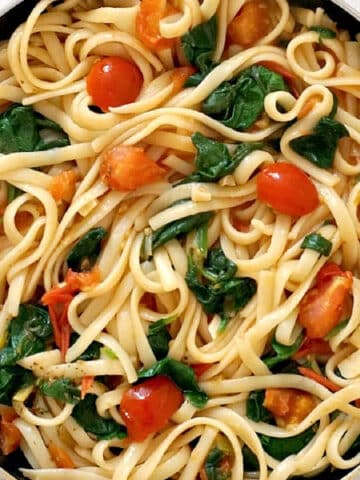
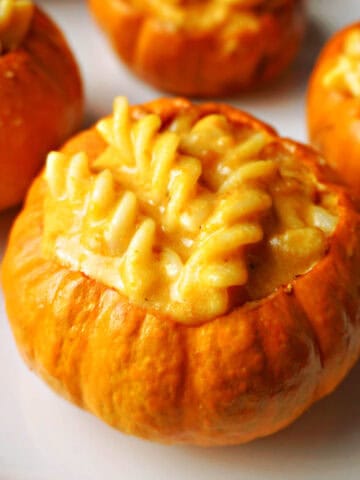
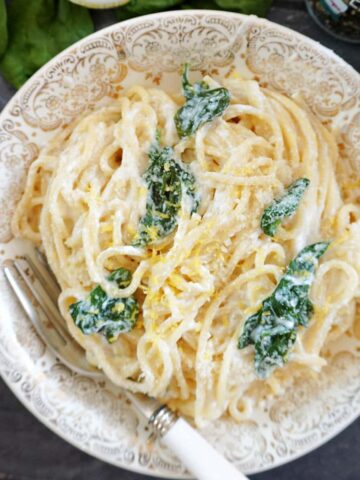
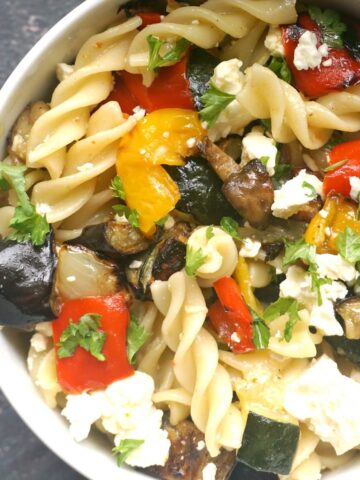
Other vegetarian pasta recipes you might like

If you’ve liked this recipe or any other recipe on the blog then don’t forget to rate the recipe and let me know how you got on in the comments below, I love hearing from you! You can also FOLLOW ME on FACEBOOK, INSTAGRAM , YOUTUBE, TIK TOK , FLIPBOARD and PINTEREST to see more delicious food and what I’m getting up to.

Spinach and Ricotta Ravioli with Sage Butter Sauce
Video
Ingredients
For the ravioli dough
- 200 g plain flour (7 oz)
- 2 medium-sized eggs
For the filling
- 250 g ricotta
- 3 frozen spinach nests
- 45 g grated parmesan (3 tbsp)
- ¼ teaspoon ground black pepper
- ¼ teaspoon sea salt
For the sauce
- 60 g salted butter (2 oz)
- 10 fresh sage leaves
- 60 g grated parmesan (4 tbsp)
Instructions
- To make the dough, prepare the work surface. Sift the flour, make a well in the middle and crack the eggs in.
- Use a fork to beat the eggs well, gradually adding flour from the edges.
- Use your hands to knead it very well into a dough that is smooth, elastic and does not stick to the hands.
- Cover the dough with a kitchen towel, and leave it to rest for at least 30 minutes.
- In the meantime, make the filling.
- Add the frozen spinach nests to a pot, cover with water, and bring to a boil on a high heat.
- Leave the spinach to cook until completely thawed.
- Drain the water, and squeeze the excess water well.
- Chop the spinach well and add it to a bowl together with the ricotta, grated parmesan, salt and pepper and mix well to combine.
- Once the dough has rested, divide it into 3 parts.
- Flour each dough roll well, and roll it lightly with a rolling pin.
- Starting with the widest setting ( lowest number) on the pasta machine, feed each dough roll through the machine, gradually reducing the thickness until you reach setting 7.
- Lay the pasta sheet on a floured surface, and place teaspoons of the filling in the middle of the sheet leaving about 4-5 cm between each mound of filling.
- Fold the pasta sheet in half, and press gently around each mound of filling to remove any trapped air.
- Seal the edges well, then use a ravioli cutter or a knife to cut out squares.
- Transfer the ravioli to a floured surface in a single layer until all the filling and dough have been used up.
- Bring a pot of salted water to the boil, add the ravioli and cook them for 3-4 minutes or until they float and the pasta is tender.
- To make the sauce, add the butter to a large enough frying pan, and allow it to melt on a medium heat.
- Leave it to simmer for 2-3 minutes until it turns slightly golden and nutty, then add the fresh sage leaves and allow them to infuse the butter for 1-2 minutes or until they look slightly crisp.
- Transfer the ravioli to the pan together with 2 tablespoons of the water they cooked in, and swirl them around to be coated in sauce well.
- Serve with plenty of parmesan.
Notes
- Do not overfill the ravioli, or they could burst or prevent them from sealing properly.
- Make sure you seal the edges well, if needed, brush a bit of water around the edges of ravioli sheets before pressing them together.
- Air trapped around the filling can make the ravioli split during cooking, so press gently around each mound before sealing.
- Use plenty of flour while making the pasta sheets and shaping the ravioli to prevent them from sticking to the work surface.
- Brown the butter gently, a high heat will make it burnt quickly, we just need a lightly golden colour for a deeper flavour.
Leave a Reply