

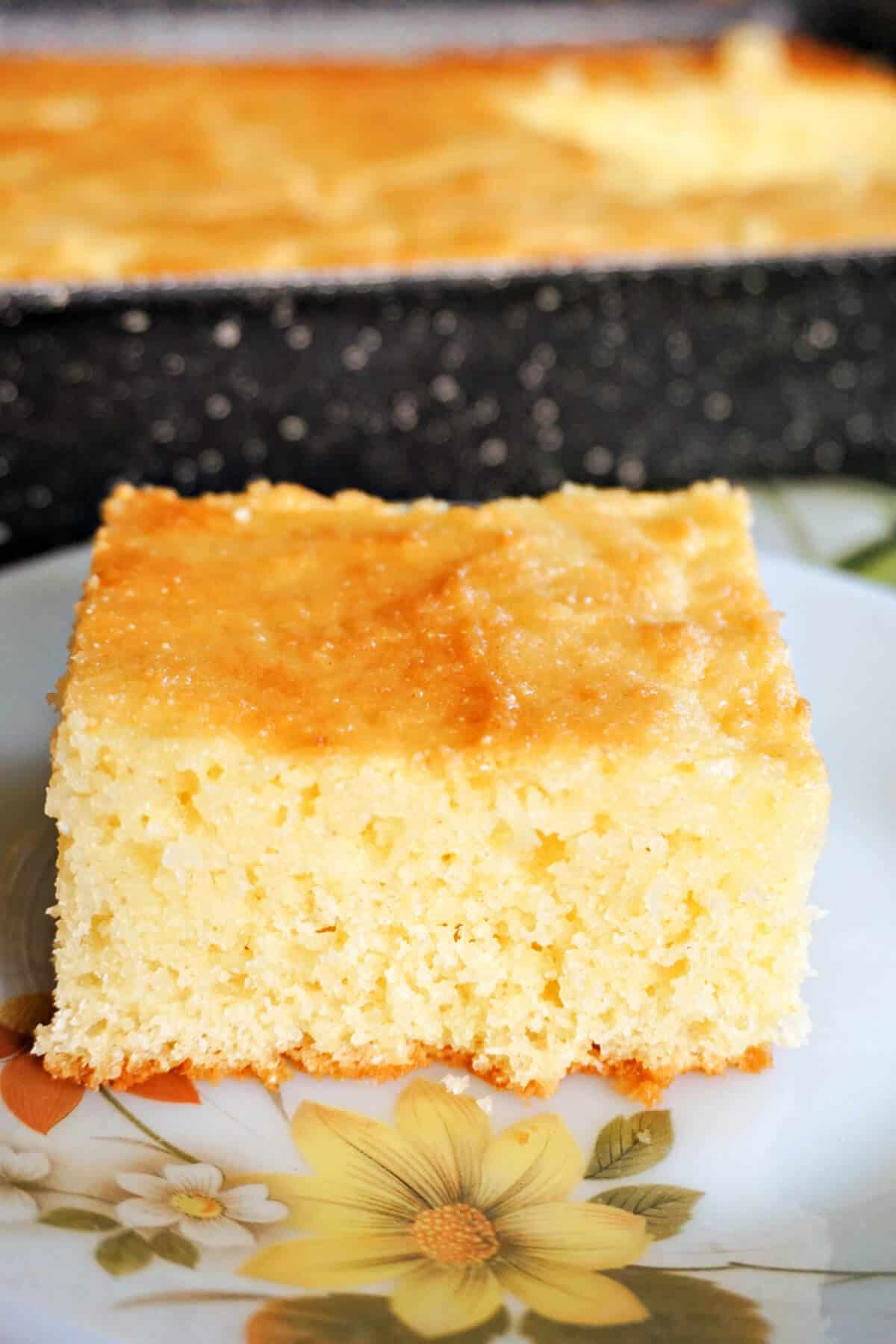
Semolina Cake with Lemon Orange Syrup and Greek yogurt, a beautifully moist and incredibly flavourful sponge cake that is a celebration of simple ingredients and minimal effort. The cake is eggless, butter and oil free, with the Greek yogurt being the only source of fat. Inspired by the Greek Samali cake, this semolina cake is a family-friendly dessert that can be enjoyed all year round.
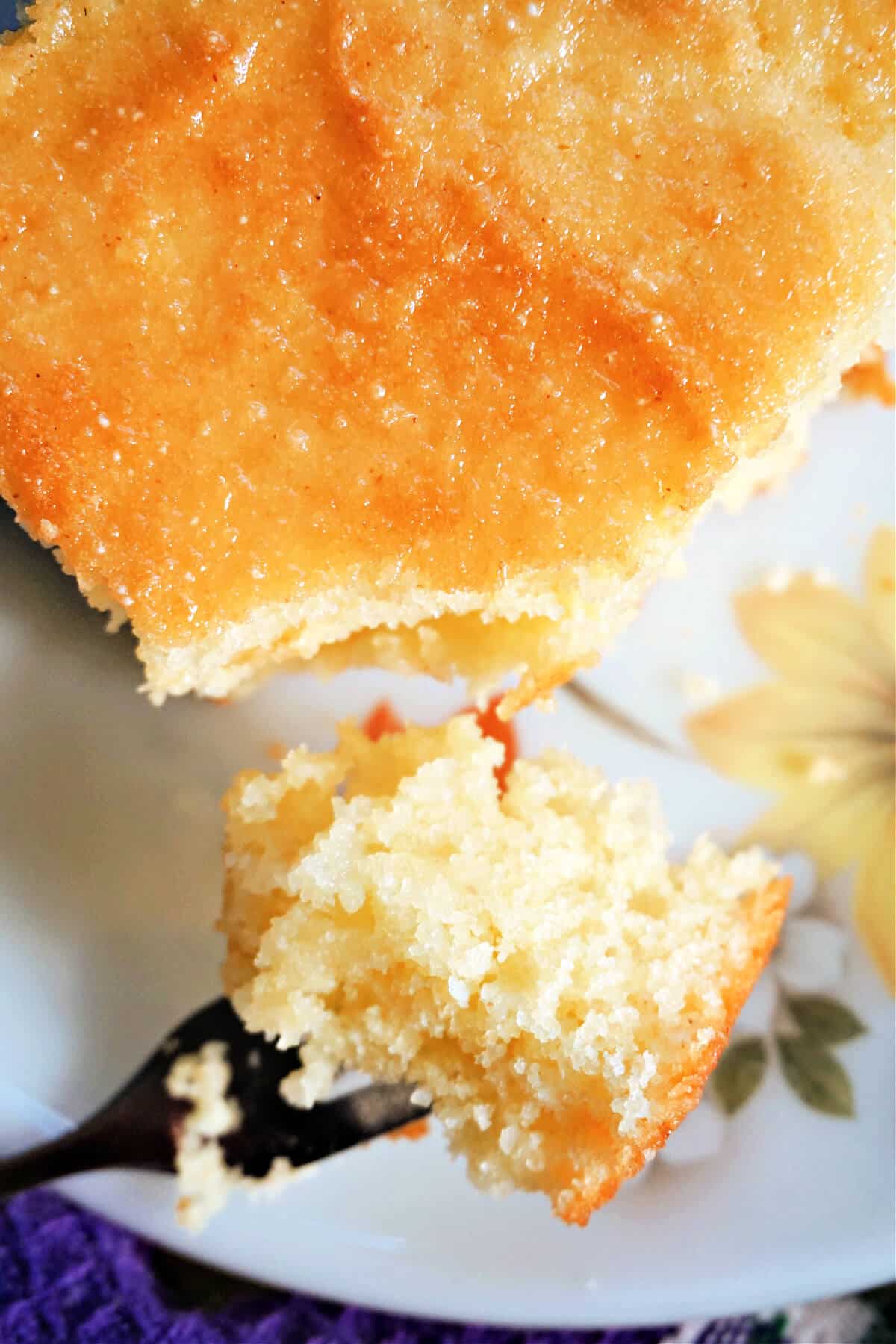
I absolutely love experimenting in the kitchen and trying out various dishes from around the world. It's like travelling around without even leaving the house, giving me the chance to understand different cultures.
For me cooking and baking is endlessly exciting, it pushes me beyond familiar flavours, and helps me stay open-minded and inspired. Plus, we all get to enjoy delicious food that makes meal time a happy time.
This semolina cake has its roots into the Greek cuisine, which is centered around the idea that simple ingredients can bring out the richest, deepest flavours.
The cake doesn't use traditional wheat flour, eggs, butter nor oil, but instead it uses yogurt and fine semolina to the sponge, unlike my Orange Drizzle Cake which uses butter and eggs for a moist sponge.
The syrup isn't just the finishing touch here, but it's a crucial step. Without it, the cake would be plain and dry, so the syrup locks in moisture and soaks deep into the sponge to make it richly aromatic.
The combo lemon and orange is one of a kind, add a touch of cinnamon and you get a divinely flavourful syrup that makes every mouthful an unforgettable experience. Serve it cold from the fridge for the best results.
Jump to:
Would you like to save this?
Note!
Go to the recipe card at the bottom of the post for exact quantities and detailed instructions!
Ingredients overview - the sponge
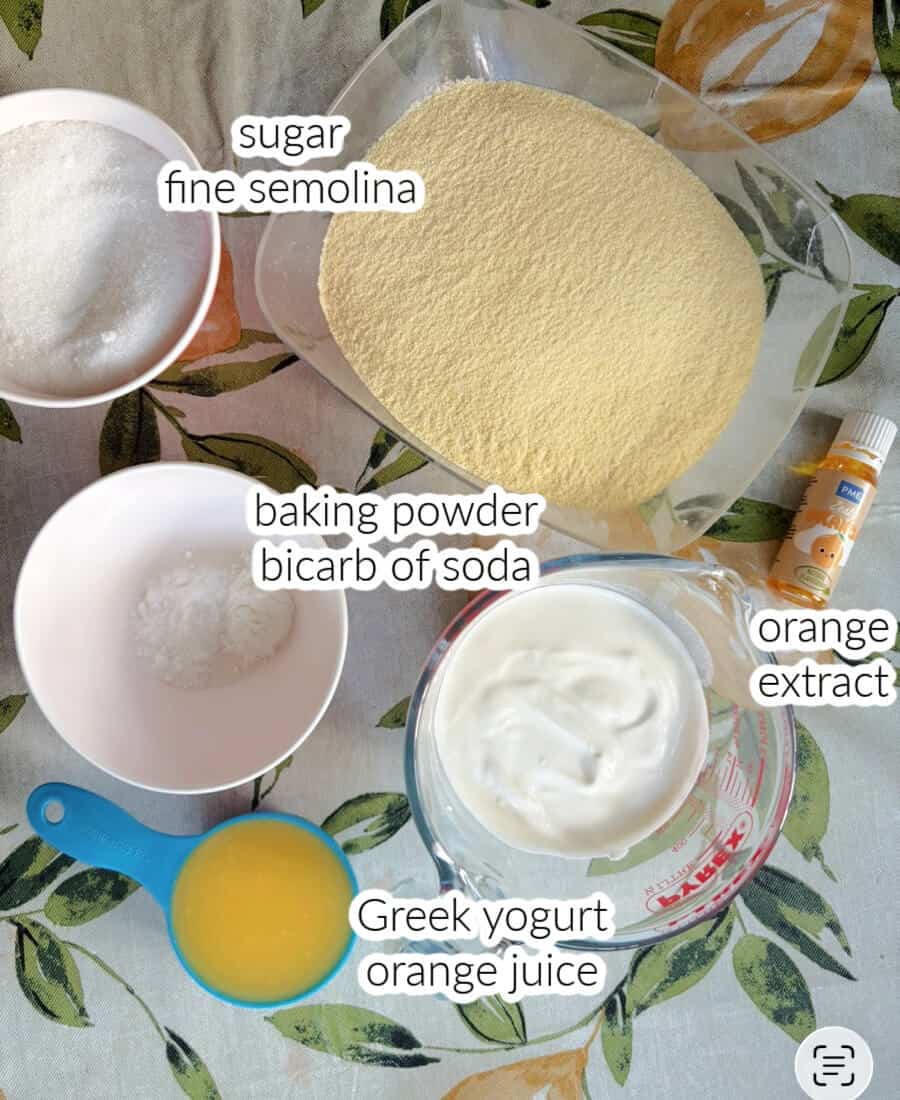
- fine semolina - easily available in the international aisle of larger supermarkets or Eastern European or Middle Eastern shops where semolina is a popular ingredient ( do not confuse it with fine polenta, which is a bright yellow colour)
- sugar - I used granulated sugar, but caster or superfine sugar would also work
- Greek yogurt - is rich in fat and creamy, avoid using low-fat yogurt, as it won't bring the same results
- orange juice - you can use freshly-squeezed orange juice, or store-bought orange juice with bits
- orange extract - it's optional, but it does add lots of flavour
- baking powder and bicarbonate of soda - helps with a good lift and a light texture
Step-by-step photos and instructions
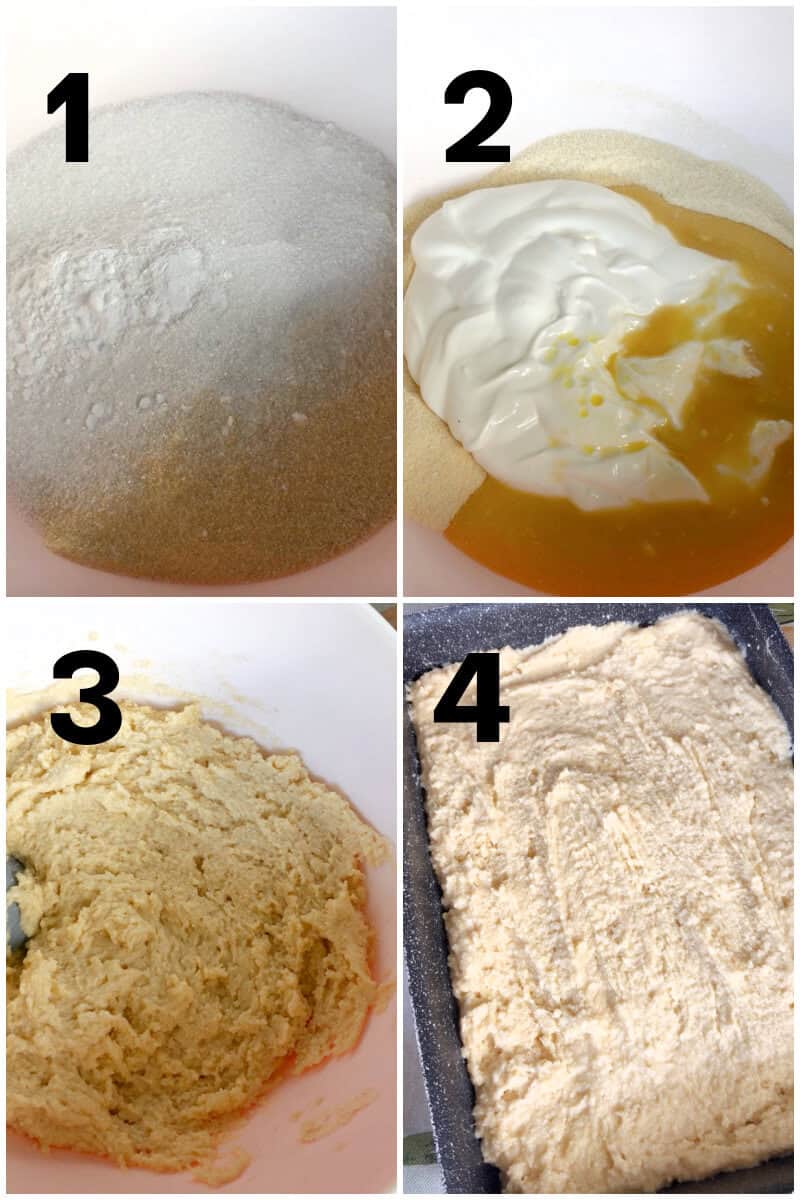
- In a large mixing bowl add the semolina, sugar, baking powder and bicarb of soda and mix well to combine
- add the yogurt, orange juice and extract, and use a spatula to mix everything into a thick batter
- transfer the batter into a rectangle baking tray (mine is 30 x 22 x 5 cm / 12 x 9 x 2 inches) and set it aside for at least 1 hour so that the semolina can soak up the moisture from the wet ingredients
- bake at 180 degrees Celsius (350 Fahrenheit) for 30 minutes until golden and a skewer inserted in the middle comes out clean
Ingredients overview - the syrup
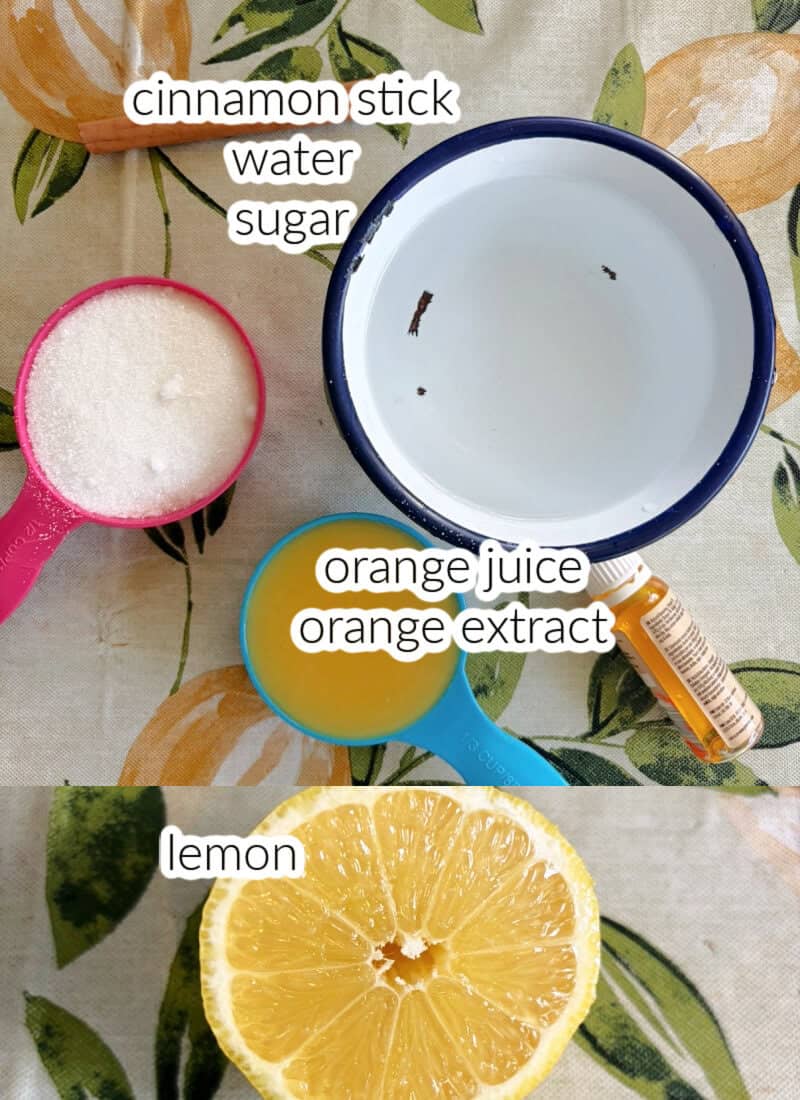
- water - it might look like a lot of it, but the sponge rises quite well, so we need to soak it well
- orange juice - same as it the sponge, freshly-squeezed or shop-bought
- lemon juice - I used the juice from half of a large lemon, if the lemon is smaller, use a whole one
- sugar - caster or granulated
- cinnamon stick - it adds tons of flavour to the syrup
- orange extract - optional
Step-by-step photos and instructions
- add all the ingredients to a pan set over a medium heat
- leave it to simmer until the sugar dissolves
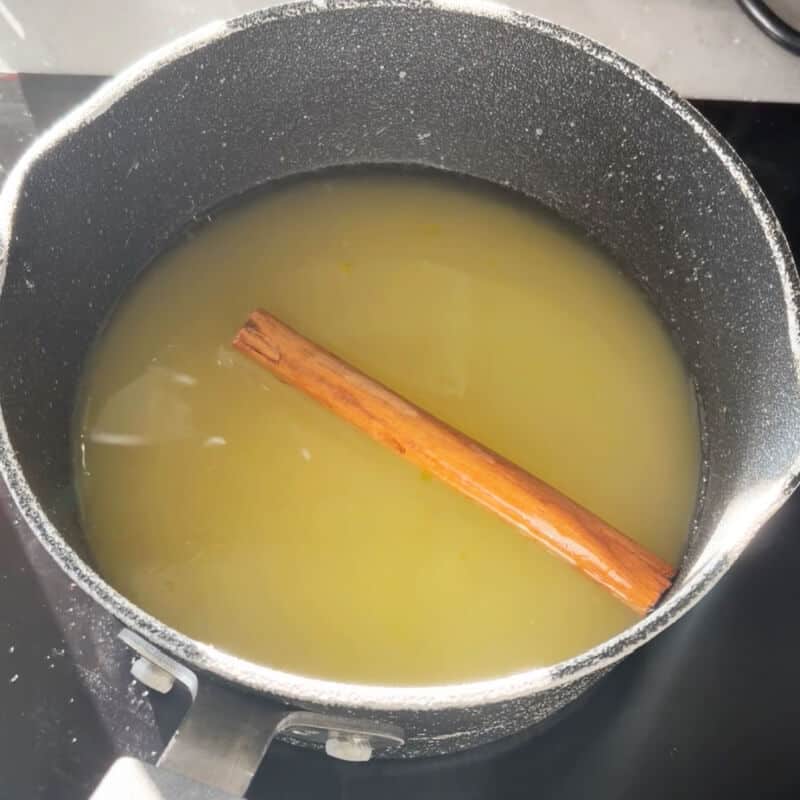
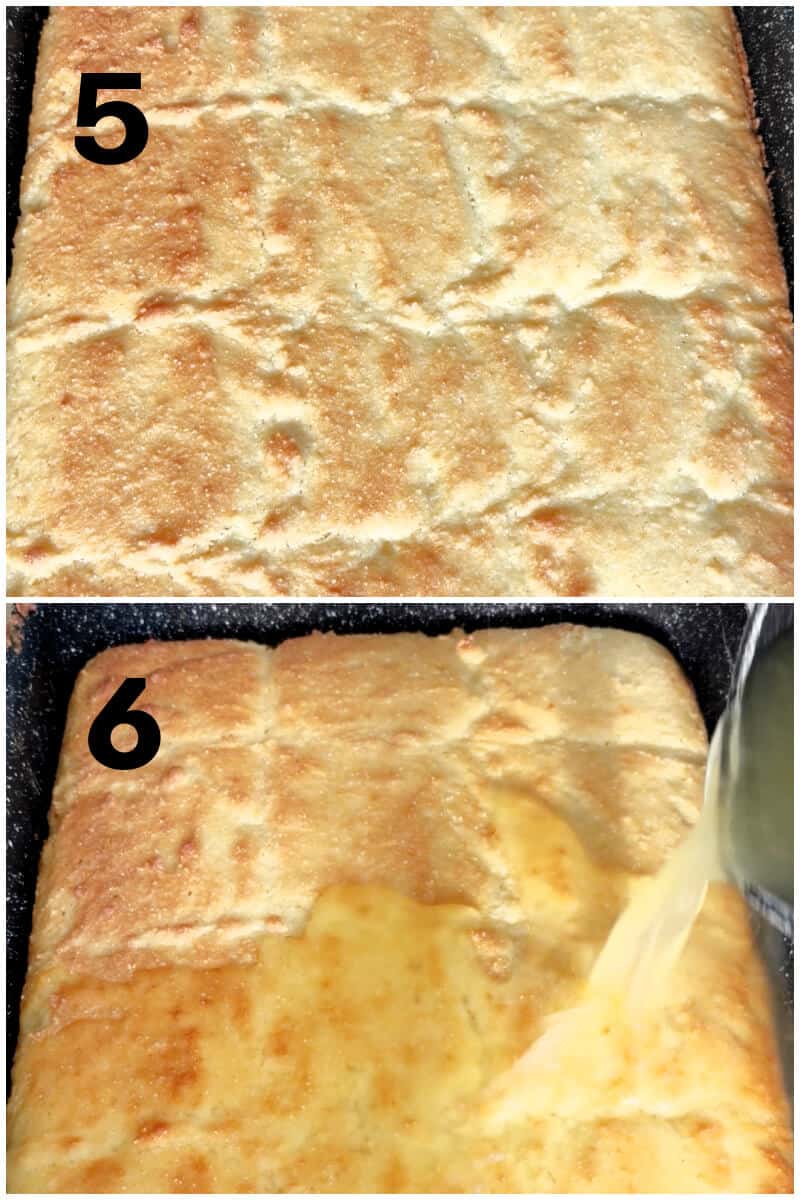
- when the cake comes out of the oven, pour the syrup over it while it's still hot
- allow the sponge to soak up all the syrup and cool down completely
- refrigerate for at least 2-3 hours before serving
Expert tips
It is crucial to pour over the hot syrup while the cake is hot out of the oven, it helps the sponge soak it up nicely, rather than just sitting on the surface. In this way, every crumb gets beautifully moist and flavourful.
I highly recommend refrigerating the cake before serving, the flavours are much more intense when the cake is cold, rather than warm. We served our cake the next day, and it was perfect!
Traditional Greek samali or revani cakes use mastic, which is is an aromatic resin which gives a pine-like taste. I did not have any, but if you do, you can add a very small amount, perhaps a quarter of a teaspoon, as it's quite strong.
Other sponge cakes you might like




If you’ve liked this recipe or any other recipe on the blog then don’t forget to rate the recipe and let me know how you got on in the comments below, I love hearing from you! You can also FOLLOW ME on FACEBOOK, INSTAGRAM , YOUTUBE, TIK TOK , FLIPBOARD and PINTEREST to see more delicious food and what I’m getting up to.

Semolina Cake with Lemon Orange Syrup
Ingredients
For the sponge
- 370 g fine semolina (2 cups)
- 300 ml full-fat Greek yogurt (1 ¼ cup)
- 200 g granulated sugar (1 cup)
- 85 ml orange juice (⅓ cup)
- 1 teaspoon baking powder
- 1 teaspoon bicarbonate of soda
- 1 teaspoon orange extract
For the syrup
- 375 ml water ( 1 ½ cups)
- 85 ml orange juice (⅓ cup)
- juice from half a large lemon ( or a whole small lemon)
- 1 cinnamon stick
- 1 teaspoon orange extract
- 100 g granulated sugar (½ cup)
Would you like to save this?
Instructions
- Start by making the sponge.
- In a large mixing bowl, add the semolina, sugar, baking powder and bicarb of soda, and mix well to combine.
- Add the yogurt, orange juice and extract, and use a spatula to mix everything into a thick batter.
- In a non-stick rectangle tray (mine is 30 x 22 x 5 cm / 12 x 9 x 2 inches) spread the batter in an even layer, and set it aside for at least 1 hour so that the semolina can soak up the moisture from the wet ingredients.
- Meanwhile, you can make the syrup.
- Add all the ingredients to a pan set over a medium heat, and leave it to simmer until the sugar is dissolved.
- Bake the cake in the preheated oven at 180 degrees Celsius (350 Fahrenheit) for 30 minutes, or until golden and a skewer inserted in the middle comes out clean.
- Remove the cake from the oven and pour over the syrup while it's still hot.
- Allow the cake to soak up all the syrup and leave it to cool down completely before refrigerating it for at least 2-3 hours before servings.
- Cut the cake into squares or diamond shapes and enjoy.
Video
Notes
- It is crucial to pour over the hot syrup while the cake is hot out of the oven, it helps the sponge soak it up nicely, rather than just sitting on the surface. In this way, every crumb gets beautifully moist and flavourful.
- I highly recommend refrigerating the cake before serving, the flavours are much more intense when the cake is cold, rather than warm. We served our cake the next day, and it was perfect!
- Traditional Greek samali or revani cakes use mastic, which is is an aromatic resin which gives a pine-like taste. I did not have any, but if you do, you can add a very small amount, perhaps a quarter of a teaspoon, as it's quite strong.
Leave a Reply